
Voluntourism Isn't Always a positive volunteering experience. Here's How to Tell the Difference.
If you've ever looked at a trip itinerary and thought, "I'd love to help while I'm there," this post is for you.
That instinct is a good one. I believe it's also worth understanding a word before you act on it: voluntourism.
Voluntourism is a mashup of "volunteer" and "tourism," trips that combine travel with some kind of service work, usually for a week or two, often in a country you wouldn't otherwise visit. Teaching English for a few days, building part of a school, spending an afternoon at an orphanage, bottle feeding a rescued animal, and other similar experiences that veil the experience by promoting it as volunteering. It's become one of the most popular ways to make a trip feel like it means something and makes people feel like they’re truly making a difference when they travel. When truly it’s become more of a photo op and creates more harm than good.
Here's what I want you to know before you book anything like that. How a program is built matters more than how good the idea sounds. And here's the other thing I want you to know, maybe even more: volunteering is not the only way to travel meaningfully. Not even close.
I believe most people who are drawn to these trips have good hearts. I also believe good intentions and good outcomes aren't the same thing, and that a little education goes a long way. A lot of what gets marketed as "giving back" was built by tour operators or hustlers trying to make a quick profit, not by the communities it claims to serve. Once you know what to look for, it's not hard to tell the difference between a program that helps and one that just feels like it does.
What I saw in Panama
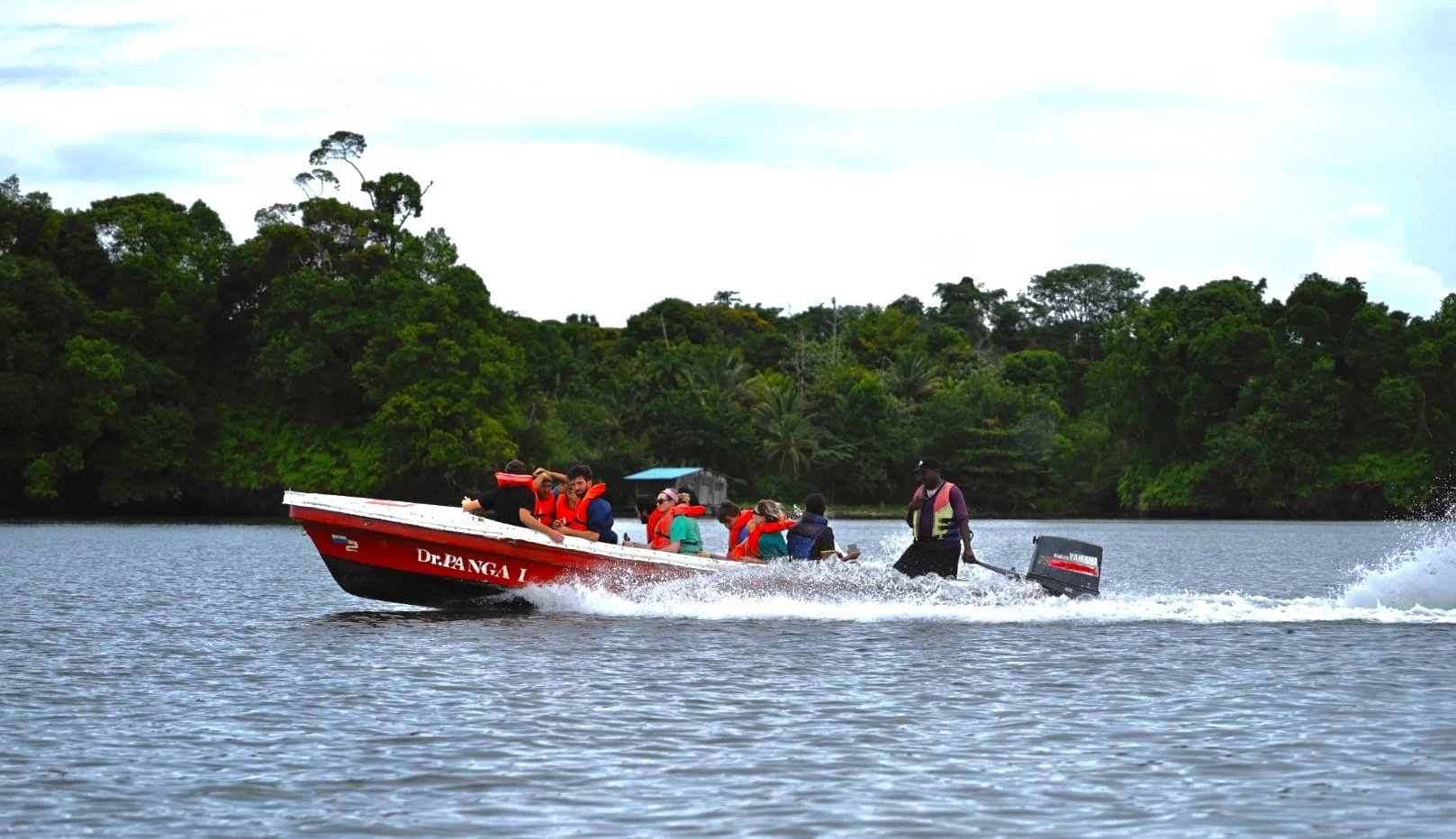
A few years ago, I visited Floating Doctors, a medical network working with indigenous communities along the coast and islands of Panama. What struck me about the experience wasn't the medicine, it was the commitment of the organization and the volunteers who served alongside it.
Floating Doctors doesn't take a week of someone's vacation time and call it help. They ask for real, sustained commitments from actual medical professionals, people with skills the communities need, staying long enough to matter. I watched volunteers who were exhausted, working long hours in remote villages you can only reach by boat, and I watched communities that trusted them enough to let them in.
There was no photo op energy to it. No one was there to collect a story for social media. The organization had built its ethics around not exploiting the people it served: not their medical needs, not their culture, not their traditions. It was just people with something useful to offer, showing up long enough to actually offer it and make a true difference in the communities they served.
That trip is why I started paying closer attention to how other "volunteer abroad" programs are actually built.
A closer look at where voluntourism tends to go wrong
Voluntourism isn't one thing, and it doesn't go wrong in just one way. A few of the more well-documented negative patterns:
Children. This is the one that gets the most attention, for good reason. Investigations from organizations like Better Care Network have found that demand for orphanage visits has actually driven some institutions to recruit children who still have living parents, because a full building of kids attracts more volunteers and more donations. A rotating door of strangers who bond with children for a week and then leave has also been linked to attachment disorders and developmental harm.
Animals. The same pattern shows up in wildlife tourism. Places that advertise themselves as sanctuaries aren't required to prove it. The word “sanctuary” isn't regulated. Elephant riding and bathing experiences often sit on top of harsh training methods, and lion cub petting has been tied to breeding operations that feed animals into canned hunting once they're grown. Ethical wildlife organizations tend to look almost boring by comparison: trained staff and vets handle the animals, and visitors observe rather than interact.
The environment. Even conservation-branded trips can backfire if you aren’t looking for the right things. Poorly planned reforestation or habitat projects have ended up conflicting with the conservation work already underway on the ground, and untrained volunteers doing hands on environmental work can cause the exact damage the project claims to prevent. Buzzwords like conservation, environmentally friendly, and sustainable require a bit more research as they can be used simply as a marketing tool.
Unskilled labor. This one's less visible but just as common in many voluntourism travel experiences. A group of travelers spending a week building a wall or painting a classroom is often doing a job more slowly and less safely than a local tradesperson would. That tradesperson doesn't get paid for it because a volunteer did it for free. The volunteers get the experience while the community absorbs the cost.
I'm not sharing this to make you feel bad about wanting to help. I'm sharing it because I think you'd want to know.
How to actually tell the difference
Before you book anything that calls itself a volunteer trip, I'd ask these questions:
Does it require a real skill, or just a plane ticket? Floating Doctors needs medical professionals. If a program will take literally anyone with no training and put them in a role that normally requires expertise, such as construction, teaching, childcare, or animal care, that's a red flag, not a benefit.
Who's actually leading? Ethical programs are led by the community they serve, with outsiders playing a supporting role. If the organization is run entirely by people from outside the country, with locals as staff rather than decision makers, ask why.
Does it involve unsupervised contact with children? This one is a hard no for me. Any program that lets short term visitors have direct, unsupervised access to vulnerable children should raise serious questions, regardless of how the program markets itself.
Am I teaching them that people leave? This one's subtle, but it matters most with children and close knit communities. A steady stream of new volunteers cycling in and out for a week at a time can quietly teach kids, or a community, that the people who show up to care about them don't stay. If a program can't explain how it protects against that pattern, that's worth pausing on.
Would this job exist without you? If a local person could do the work better, faster, and for pay, and isn't being paid because you're doing it for free, you're not helping. You're taking a job.
Where does the money go? Ask for real numbers. A legitimate organization can tell you what percentage of your fee goes to the community or to the project it is serving versus overhead and marketing.
What's the minimum commitment? Long-term, skilled placements build trust and continuity. A week rarely does either.
If you're still unsure, ask yourself one big question: are you signing up to benefit yourself, or to benefit the community you're visiting? If the honest answer is that you want a beautiful photo, access to an experience, or a story to bring home, that's a completely human thing to want from a trip, but not a good reason to sign up for a volunteer experience. It's just not the same thing as helping, and it's worth being honest with yourself about which one you're actually there for.
What to do instead
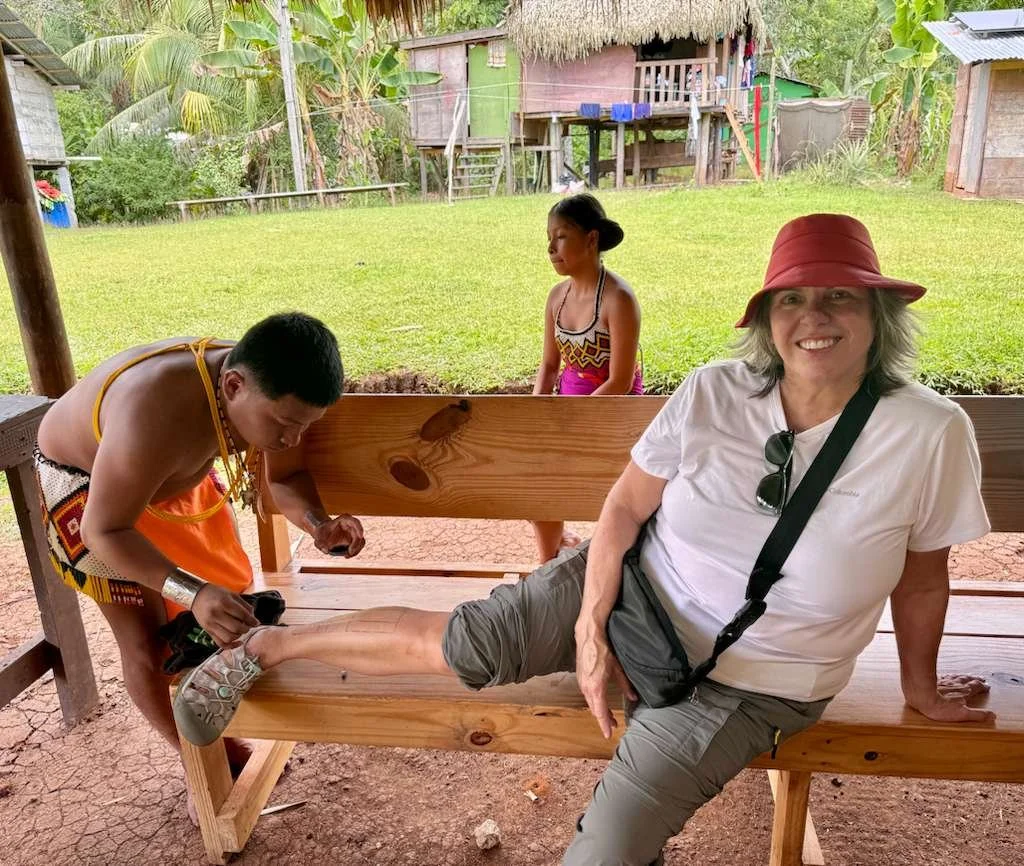
Here's the point I most want you to walk away with: you do not need to volunteer to travel meaningfully. Not even close.
Volunteering can be wonderful when you're able to commit real time to a vetted, ethical organization, the kind that isn't profiting off local cultures or communities. If you do have a specialized skill, medical, legal, technical, look for organizations like Floating Doctors that ask for a real commitment and treat you as part of a long-term relationship, not a one week transaction.
But if that's not an option for you right now, small shifts in how you travel already can leave such a positive impact.
Choose experiences run and owned by the people in that place: guides, chefs, artisans, and business owners, and pay them directly for their expertise. Spending your money with local, independently owned businesses instead of large international chains keeps that money circulating in the community long after you've left. These types of intentional decisions can make a bigger impact than short-term volunteering.
Bring something useful, even on a trip that's purely a vacation. Pack for a Purpose keeps updated lists of specific, needed items, things like school supplies, basic medical equipment, and hygiene products, for schools, clinics, and community projects near where you're already staying, in over 60 countries. You set aside a few pounds of luggage space, drop the items at your hotel or tour operator before you leave, and they get delivered to the community. It's not a replacement for skilled service, but it's a simple, tangible way to leave something useful behind on a trip you were already taking.
And if you just want to see a place and understand it better, let that be enough. You don't need a service project to justify a trip. Curiosity and respect are already a contribution.
If you want someone to help you travel in a meaningful way
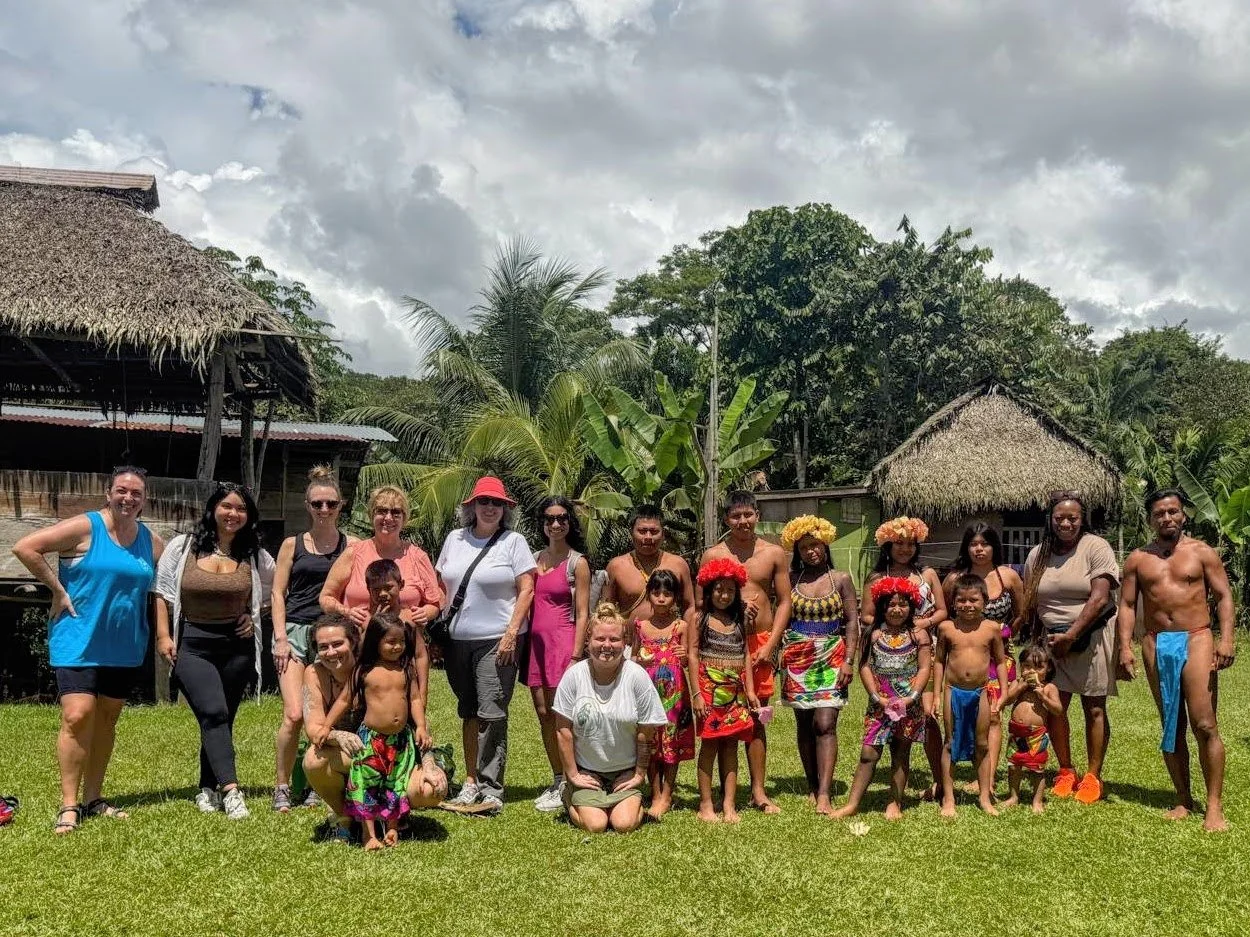
These are the kinds of things I think about constantly when I put together Cherish trips. How do we make sure the women in our groups are actually benefiting the places we visit, not just passing through them? If you'd rather not sort through vetting every local guide and business yourself, that's a huge part of what we do. You can see how we build our itineraries at gocherishtours.com.
Had you heard the term voluntourism before this? Or have you found a way to travel meaningfully without volunteering at all? I'd genuinely love to hear about it. Comment below to start a conversation.
About Cherish: Cherish Tours is a women-focused small-group travel company built around meaningful, immersive experiences. We believe that how you travel matters, to the communities you visit and to who you become in the process. Learn more at gocherishtours.com.